In the first part of this series of articles, a number of verses from the Qur’an and the corresponding commentary from classical works of tafsīr (exegesis) were examined to show that the obligation of the Caliphate is a normative doctrine which cannot be disputed. There are also many hadiths which mention the Imamate. As stated by the Syrian historian and former Carnegie scholar Sami Moubayed in a Daily Telegraph article: “All pious Muslims well-read in the Hadith (the compiled sayings of the Prophet [ﷺ]) firmly believe in the need to establish an Islamic State headed by a Muslim Caliph….No Muslim scholar would debate an Islamic state and the caliphate.”
But the Prophet ﷺ predicted a time when there would be no Caliphate. He said:
لَيُنْقَضَنَّ عُرَى الْإِسْلَامِ عُرْوَةً عُرْوَةً فَكُلَّمَا انْتَقَضَتْ عُرْوَةٌ تَشَبَّثَ النَّاسُ بِالَّتِي تَلِيهَا وَأَوَّلُهُنَّ نَقْضًا الْحُكْمُ وَآخِرُهُنَّ الصَّلَاةُ
“The knots of Islam will be undone one by one, each time a knot is undone the next one will be grasped, the first to be undone will be the Rule [of Islam; The Imamate] and the last will be the Prayer (Ṣalāh).”
[Narrated by Abu Umamah al-Bahilī (ra). Cf. al-Bukhārī, Ta’rīkh al-Kabīr, 4:233, Imam Aḥmad from Fayruz al-Daylami from his father in the Musnad #18068 (ḥasan, Shaykh al-Arna’ut), al-Tabarāni, Mu‘jam al-Kabīr, #7486, al-Hākim, al-Mustadrak ‘ala ’l-Ṣaḥiḥayn #7022 where he declared the isnād (chain of transmission) as ṣaḥīḥ, Ibn Hibbān in his Ṣaḥiḥ #6715 with a very strong isnād (Shaykh al-Arna’ut), Al-Mundhirī, al-Tarhīb wa’l-Targhīb, 1:263 with a ṣaḥīḥ chain of transmission and Al-Haythamī, Majma‘ al-Zawā’id, 7:284 where he comments that the narrators of the hadith are all sound (rijāluhu rijālun ṣaḥīḥ)]
Proof from the Sunnah Regarding the Obligation of the Caliphate
Both Bukhārī and Muslim relate the following hadith:
عَنْ أَبِي هُرَيْرَةَ قَالَ: قَالَ رَسُولُ اللَّهِ صَلَّى اللَّهُ عَلَيْهِ وَسَلَّمَ: «مَنْ أَطَاعَنِي فَقَدْ أَطَاعَ اللَّهَ وَمَنْ عَصَانِي فَقَدْ عَصَى اللَّهَ وَمَنْ يُطِعِ الْأَمِيرَ فَقَدْ أَطَاعَنِي وَمَنْ يَعْصِ الْأَمِيرَ فَقَدْ عَصَانِي وَإِنَّمَا الْإِمَامُ جُنَّةٌ يُقَاتَلُ مِنْ وَرَائِهِ وَيُتَّقَى بِهِ فَإِنْ أَمَرَ بِتَقْوَى اللَّهِ وَعَدَلَ فَإِنَّ لَهُ بِذَلِكَ أَجْرًا وَإِنْ قالَ بغَيرِه فَإِن عَلَيْهِ مِنْهُ»
From Abu Hurayrah from the Prophet ﷺ who said:
“Whoever obeys, me obeys Allah and whoever disobeys me has disobeyed Allah. Whoever obeys the Amīr obeys me and and whoever disobeys the Amīr disobeys me. The Imam alone is a shield behind whom they fight and are protected by. If he enjoins fear of Allah, the Exalted and Glorious, and dispenses justice, there will be reward for him and if he enjoins otherwise, it will count against him.”
[Ṣaḥiḥ al-Bukhārī #2957 and Ṣaḥiḥ Muslim #1830]
Commenting on the words ‘the Imam alone is a shield’, Imam al-Nawawī writes:
الْإِمَام جُنَّة أَيْ : كَالسِّتْرِ ; لِأَنَّهُ يَمْنَع الْعَدُوّ مِنْ أَذَى الْمُسْلِمِينَ , وَيَمْنَع النَّاس بَعْضهمْ مِنْ بَعْض , وَيَحْمِي بَيْضَة الْإِسْلَام , وَيَتَّقِيه النَّاس وَيَخَافُونَ سَطْوَته
“…because he is like a covering in that he protects the Muslims from the enemy harming them and protects some people from others. He also safeguards the Muslim territories from any attacks.”
[Al-Nawawī, Sharḥ Ṣaḥīḥ Muslim, p. 1431]
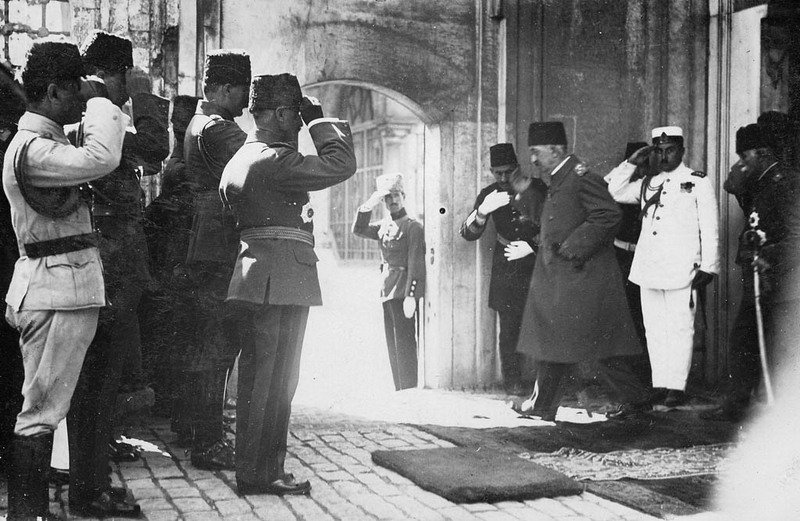
A hundred years (according to the Gregorian calendar) after the abolition of the Caliphate on the 3rd of March, 2024, Muslims are in need of the Imam/Caliph perhaps more than at any time in our history. In Gaza, which is being decimated by ‘Israel’, in Kashmir, where our sisters are being raped by Indian troops, in Myanmar, in China, in Sudan and elsewhere, Muslims are in dire need of an army headed by a sincere leader to intervene on their behalf and protect them. In Egypt, in Jordan, in Turkey and in Pakistan (which has some of the best air force pilots in the world), the Muslim armies are languishing in their barracks and being prevented from acting on our behalf by the ignoble and corrupt tyrant rulers who control us. It is high time we broke free from their clutches and replaced them with a real man who is not enslaved to the West and who would fight for us, fearing none but Allah.
Another hadith, also related by both Bukhārī and Muslim, states:
“ كَانَتْ بَنُو إِسْرَائِيلَ تَسُوسُهُمُ الأَنْبِيَاءُ، كُلَّمَا هَلَكَ نَبِيٌّ خَلَفَهُ نَبِيٌّ، وَإِنَّهُ لاَ نَبِيَّ بَعْدِي، وَسَيَكُونُ خُلَفَاءُ فَيَكْثُرُونَ. قَالُوا فَمَا تَأْمُرُنَا قَالَ فُوا بِبَيْعَةِ الأَوَّلِ فَالأَوَّلِ، أَعْطُوهُمْ حَقَّهُمْ، فَإِنَّ اللَّهَ سَائِلُهُمْ عَمَّا اسْتَرْعَاهُمْ ”
“The Bani Isrā’īl were ruled by the Prophets. When one Prophet died, another succeeded him. There will be no Prophet after me. Caliphs will come after me, and they will number many.” The Companions asked: ‘Messenger of Allah, what do you command us to do?’ He replied: “Fulfil the pledge of allegiance to them one after another. Concede to them their due rights and ask Allah that which is due to you. Allah will call them to account in respect of the subjects whom He had entrusted to them.”
[Ṣaḥīḥ al-Bukhārī #3603 and Ṣaḥīḥ Muslim #1843, on the authority of Abu Hurayrah]
As explained by Imam al-Nawawī, this hadith indicates that it is obligatory to appoint a single Caliph as the leader of the Muslims:
مَعْنَى هَذَا الْحَدِيثِ إِذَا بُويِعَ لِخَلِيفَةٍ بَعْدَ خَلِيفَةٍ فَبَيْعَةُ الْأَوَّلِ صَحِيحَةٌ يَجِبُ الْوَفَاءُ بِهَا وَبَيْعَةُ الثَّانِي بَاطِلَةٌ يَحْرُمُ الْوَفَاءُ بِهَا وَيَحْرُمُ عَلَيْهِ طَلَبُهَا وَسَوَاءٌ عَقَدُوا لِلثَّانِي عَالِمِينَ بِعَقْدِ الأول جَاهِلِينَ وَسَوَاءٌ كَانَا فِي بَلَدَيْنِ أَوْ بَلَدٍ أَوْ أَحَدُهُمَا فِي بَلَدِ الْإِمَامِ الْمُنْفَصِلِ
“The meaning of this narration, is that if a caliph is given a pledge of allegiance after another caliph has already been appointed, then the first appointment is valid and must be fulfilled, whereas the second is void and it is prohibited to fulfil it. It is prohibited for him to request that fulfilment, irrespective of whether they knew of the first caliph or not, and irrespective of whether they were in the same or different locations, or whether one of them was in a land totally separated from the other.”
[Al-Nawawī, Sharḥ Ṣaḥīḥ Muslim, 12/231]
The Sin of Living without a Caliph
The following is from the creedal tract al-Tamhīd fi Bayan al-Tawḥīd by the Ḥanafi scholar Abū Shakūr al-Sālimī (who passed away after 460 H/1066 CE):
اعلم بأن الخلافة ثابتة، والإمارة قائمة مشروعة واجبة على الناس أن يروا على أنفسهم إمامًا بدليل الكتاب والسنة وإجماع الأمة. أما الكتاب فقوله تعالى {يَا أَيُّهَا الَّذِينَ آمَنُوا أَطِيعُوا اللَّهَ وَأَطِيعُوا الرَّسُولَ وَأُولِي الْأَمْرِ مِنْكُمْ}. وأما السنة فإنه لمّا توفي رسول الله عليه السلام اجتمعت الصحابة رضي الله عنهم في سقيفة بني ساعدة الخزرجي المهاجرون والأنصار، فقالوا: سمعنا رسول الله عليه السلام يقول: “من مات ولم يرَ على نفسه إمامًا مات مِيتةَ الجاهلية”
“Know that the Caliphate is an established matter [in the dīn] and that political leadership is an established and legislated affair. It is obligatory on the people that they appoint for themselves an Imam. This is proven by the Qurʾan, the Sunna, and the Consensus of the Ummah. As for the Qurʾan, Allah says, “O you who believe, obey Allah, obey the Messenger, and those in authority among you.” [4:59] As for the Sunna, when the Prophet [ﷺ] passed away the Companions, the Muhājirūn and the Ansār, gathered in the roofed shelter of Banī Sā‘ida al-Khazrajī and said: “We heard the Messenger of Allah [ﷺ] say, ‘Whoever dies without an Imam over him dies a jāhilī death’”
[Abū Shakūr al-Sālimī, Al-Tamhīd Fī Bayān Al-Tawḥīd, ed. ʿUmar Turkmān (Beirut: Dār ibn Ḥazm, 2017), 309]
The hadith mentioned above is related with slightly different wordings in Musnad Abu Dawud #259, Ṣaḥīḥ Ibn Hibbān #4573, al-Tabarani in al-Kabīr 19/769, Musnad Ahmad #16876, al-Haythami in Majma‘ az-Zawā’id 5/228, Abu Ya‘la #7357 and Ibn Abi ‘Asim in al-Sunnah #1057. The soundest report is related by Imam Muslim with the following wording:
مَنْ مَاتَ وَلَيْسَ فِي عُنُقِهِ بَيْعَةٌ مَاتَ مِيتَةً جَاهِلِيَّةً
“Whoever dies without a pledge of allegiance on their neck (to an Imam) dies a jāhilī death.”
[Ṣaḥīḥ Muslim #1851, on the authority of Nāfi‘]
The meaning of مات ميتة جاهلية (dying a jāhilī death) is not that one will die as disbeliever. As explained by Ibn Ḥajar al-‘Asqalānī, it means that one will die sinful:
المراد بالميتة الجاهلية -وهي بكسر الميم-: حالة الموت كموت أهل الجاهلية على ضلال وليس له إمام مطاع، لأنهم كانوا لا يعرفون ذلك، وليس المراد أنه يموت كافرا، بل يموت عاصيا،
“What is meant by ‘dying a jāhilī death’ – with the vowel kasra on the letter م – is dying a misguided death like those in the jāhilīyyah times who did not have a just and obedient Imam as they had no concept of that. It does not mean that a person dies a disbeliever; rather he dies as a disobedient (sinful).”
[Ibn Ḥajar al-‘Asqalānī, Fatḥ al-Bārī Sharḥ Ṣaḥīḥ al-Bukhārī, 13/7]
And in his famous commentary of Imam al-Nasafī’s essay on the creed of Islam, al-Taftāzānī refers to a possible situation which “was bereft of the Imam (Caliph), rendering the whole Ummah sinful and their deaths jāhilī”
بعد الـخلفاء الراشدين خاليــاً عن الإمام، فتعصى الأمّة كلّهم وتكون مِيتتهم جاهليةً
[Al-Taftāzānī, Sharḥ al-‘Aqā’id al-Nasafīyyah]
So the matter is a serious one. We have been without a Caliph for a hundred years, and for every day that goes by like this we are living in sin. Unless we work to re-institute the Imamate, Allah will hold us accountable on the Day of Reckoning.
In the next article, we will examine the reason for the delay of the burial of our Beloved Prophet ﷺ when he passed away.
NB
A note on nomenclature
Al-Nawawī states in al-Rawḍat al-Ṭālibīn:
يَجوزُ أن يُقال للإمامِ: الخَليفةُ، والإمامُ، وأميرُ المُؤمنين
“It is permitted to call the Imam: the Caliph, the Imam or the Amir of the Believers”
[al-Nawawī, al-Rawḍat al-Ṭālibīn, 10:49]
So in this site we use the terms Imam and Caliph, Imamate and Caliphate interchangeably.

