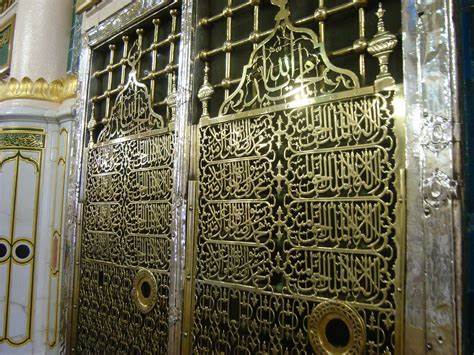
In parts 1 and 2 of this series, we examined evidences from the Qur’an and Sunnah, as well as the commentaries from classical scholars, proving that the obligation to appoint a Caliph/Imam is a normative Islamic doctrine. We will now explore another powerful evidence.
Why was the Prophet’s ﷺ Burial Delayed?
No-one can deny that the Companions (رضي الله عنهم) loved the Prophet ﷺ. They would put themselves in harm’s way rather than see his safety jeopardised. In battle, they would place themselves between the Prophet ﷺ and the enemy to prevent any harm coming to him. And yet, when he passed away, they delayed his burial.
This is despite the Prophet’s ﷺ clear instruction:
عن أبي هريرة رضي الله عنه عن النبي صلى الله عليه وسلمى الله عليه وسلم الله عليه وسلم الله عليه وسلم قال: ”أسرعوا بالجنازة، فإن تك صالحة، فخير تقدمونها إليه، وإن تك سوي ذلك، فشر تضعونه عن رقابكم”
“Hasten the burial rites, for if it is pious, you are speeding it to goodness and if it is otherwise, you are laying an evil off your necks.” [Ṣaḥīḥ al-Bukhārī #1315 and Ṣaḥīḥ Muslim #944, on the authority of Abu Hurayrah]
However, ‘Umar relates:
حَدَّثَنَا يَحْيَى بْنُ سُلَيْمَانَ، قَالَ حَدَّثَنِي ابْنُ وَهْبٍ، قَالَ حَدَّثَنِي مَالِكٌ،. وَأَخْبَرَنِي يُونُسُ، عَنِ ابْنِ شِهَابٍ، أَخْبَرَنِي عُبَيْدُ اللَّهِ بْنُ عَبْدِ اللَّهِ بْنِ عُتْبَةَ، أَنَّ ابْنَ عَبَّاسٍ، أَخْبَرَهُ عَنْ عُمَرَ ـ رضى الله عنهم ـ قَالَ حِينَ تَوَفَّى اللَّهُ نَبِيَّهُ صلى الله عليه وسلم إِنَّ الأَنْصَارَ اجْتَمَعُوا فِي سَقِيفَةِ بَنِي سَاعِدَةَ، فَقُلْتُ لأَبِي بَكْرٍ انْطَلِقْ بِنَا. فَجِئْنَاهُمْ فِي سَقِيفَةِ بَنِي سَاعِدَةَ.
“When Allah took away the soul of His Prophet ﷺ at his death, the Anṣār assembled in the courtyard of Bani Sā‘idah. I said to Abu Bakr, ‘Let us go.’ So, we went to them (i.e. to the Anṣār) at the courtyard of Banu Sā‘idah.” [Ṣaḥīḥ al-Bukhārī #2462]
What was so important that the preparation for the Prophet’s burial was delayed while the Companions (رضي الله عنهم) gathered at the aforementioned courtyard? And it was not just a minor delay. According to Ibn Kathīr:
(والمشهور عن الجمهور ما أسلفناه من أنه عليه السلام توفي يوم الاثنين، ودفن ليلة الأربعاء)
“What is famously related from the majority of scholars is that the Prophet (ﷺ) died on Monday and was buried on the night of Wednesday.” [al-Bidāyah wa al-Nihāyah (5/237) and Ṣaḥīḥ al-Sīrah al-Nabawīyyah, p. 728]
In another hadith in Ṣaḥīḥ al-Bukhārī concerning the gathering, the Anṣār and the Muhajirīn discuss who should rule after the Prophet ﷺ, and the hadith concludes:
فَقَالَ عُمَرُ بَلْ نُبَايِعُكَ أَنْتَ، فَأَنْتَ سَيِّدُنَا وَخَيْرُنَا وَأَحَبُّنَا إِلَى رَسُولِ اللَّهِ صلى الله عليه وسلم. فَأَخَذَ عُمَرُ بِيَدِهِ فَبَايَعَهُ، وَبَايَعَهُ
“ ‘Umar said (to Abu Bakr), ‘No but we elect you, for you are our chief and the best amongst us and the most beloved of all of us to Allah’s Messenger (ﷺ).’ So ‘Umar took Abu Bakr’s hand and gave the pledge of allegiance and the people too gave the pledge of allegiance to Abu Bakr…” [Ṣaḥīḥ al-Bukhārī #3667]
So the Companions (رضي الله عنهم) delayed our beloved Prophet’s ﷺ burial as they were deciding who should be the Caliph, and eventually they elected Abu Bakr.
Imam Ghazālī comments on this in his Faḍā’iḥ al-Bāṭinīyya:
يلاحظ الْعَصْر الاول كَيفَ تسارع الصَّحَابَة بعد وَفَاة رَسُول الله صلى الله عَلَيْهِ وَسلم الى نصب الامام وَعقد الْبيعَة وَكَيف اعتقدوا ذَلِك فرضا محتوما وَحقا وَاجِبا على الْفَوْر والبدار وَكَيف اجتنبوا فِيهِ التوانى والاستئخار حَتَّى تركُوا بِسَبَب الِاشْتِغَال بِهِ تجهيز رَسُول الله صلى الله عَلَيْهِ وَسلم
“Let it be noted of the first generation, as to how the Companions hastened after the death of the Messenger of Allah ﷺ to appoint the Imam (Caliph) and contract the Bay‘ah (pledge of allegiance). Let it be noted how they believed that it was a conclusive obligation (farḍ), a right and mandated (wājib) with immediacy and urgency. Let it also be noted how they left the preparation of the Messenger of Allah ﷺ for burial, through being busy with the appointing of the Imam.”
وَعَلمُوا انه لَو تصرم عَلَيْهِم لَحْظَة لاامام لَهُم فَرُبمَا هجم عَلَيْهِم حَادِثَة ملمة وارتكبوا فِي حَادِثَة عَظِيمَة تتشتت فِيهَا الآراء وتختلف متبوعا مُطَاعًا يجمع شتات الآراء
He then said. “They knew that even if a moment passed by, without an Imam over them, then perhaps a blameworthy incident would afflict them. They would then be embroiled in a great calamity in which opinions were disparate and differed, followed by subjugation to differing opinions.”
لَا نخرم النظام وَبَطل العصام وتداعت بالانفصام عرى الاحكام
He then said, “We do not violate the system and invalidate protection, with an imminent collapse, through the loosening of the knots of the Sharī‘ah rulings.”
فلاجل ذَلِك اثروا البدار اليه وَلم يعرجوا فِي الْحَال الا عَلَيْهِ وَهَذَا قَاطع فِي ان نصب الامام امْر ضَرُورِيّ فِي حفظ الْإِسْلَام
He then said, “So for this purpose they took the initiative. They did not remain still in a situation without an Imam. Thus it is conclusive (qāṭi‘) that the appointing of the Imam is a necessity for the preservation of Islam.”
[Imam Abū Ḥāmid al-Ghazālī, Faḍā’iḥ al-Bāṭinīyya wa-Faḍā’il al-Mustaẓhirīyya (The Infamies of the Esotericists and the Virtues of the Mustazhirites), p. 171]
An important point made here by Imam Ghazālī is that the Caliph resolves disputes and differences. The well-known Sharī‘ah principle states:
أمر الإمام يرفع الخلاف
‘The command of the Imam puts an end to disagreement’
Having a Caliph would solve many of our problems, such as the moon wars we witness at the beginning and end of Ramadan each year. One of the Salaf (righteous predecessors), Ibn al-Mājishūn [d. 212H], who was a contemporary of Imam Mālik and the Mufti of Madina, said
إِلَّا أَنْ يَثْبُتَ عِنْدَ الْإِمَامِ الْأَعْظَمِ فَيُلْزَمُ النَّاسَ كُلَّهُمْ لِأَنَّ الْبِلَادَ فِي حَقِّهِ كَالْبَلَدِ الْوَاحِدِ إِذْ حُكْمُهُ نَافِذ فِي الْجَمِيعِ
If the sighting of the crescent “is established by the Caliph [al-Imām al-A‘ẓam], in such a case all the people are obliged [to fast], because all the towns with respect to him (the Caliph) are as one town, since his verdict is binding upon everyone.” [emphasis added]
[Fatḥ al-Bārī Sharḥ Ṣaḥīḥ al-Bukhārī, 4/158, #1911]
So after we re-institute the Imamate, our Ramadan and ‘Eid will no longer be ruined every year by a certain kingdom.
In the next part of this series, we will examine the ijmā‘ (unanimous consensus) on the obligation of the Caliphate.
NB
Here is what Imam al-Nawawī says about the delay in burying the Prophet ﷺ:
وكان عذرُ أبي بكر وعمر وسائر الصحابة – رضي الله عنهم – واضحاً؛ لأنهم رأوا المبادرة بالبيعة من أعظم مصالح المسلمين، وخافوا من تأخيرها حصول خلاف ونزاع يترتب عليه مفاسد عظيمة، ولهذا أخَّروا دفن النبي صلى الله عليه وسلم حتى عقدوا البيعة لكونها كانت أهم الأمور
“But the justification of Abu Bakr, ‘Umar and the other Companions (رضي الله عنهم) was clear, because they believed that hastening to conclude the Bay‘ah (pledge of allegiance) was in the best interests of the Muslims, and they feared that delaying it could lead to dissent and disputes that would result in great mischief. That is why they delayed burying the Prophet ﷺ until the Caliph had been appointed and allegiance had been sworn to him, because it was the most important matter…” [Imam al-Nawawī, Sharḥ Ṣaḥīḥ Muslim, vol. 12, p. 78]
 The Caliphate
Alabado sea al-Lah el Unico Creador grandemente , bendición y paz sea con Muhámmad el profeta de al-Lah su familia, sus nobles compañeros, que al-Lah les bendiga y les conceda la paz Que al-Lah les recompense con un gran bien